বাংলা মূল লেখা
আমাদের দেশের বিচার বিভাগ, মামলার দীর্ঘসূত্রতা কিংবা আদালতপাড়ার নানা ঝক্কি-ঝামেলা নিয়ে আমাদের অভিযোগের শেষ নেই। কিন্তু এই সব সমালোচনার পর দিনশেষে আজও সাধারণ মানুষ ন্যায়বিচার পাওয়ার শেষ আশ্রয়স্থল হিসেবে এই আদালতপাড়াকেই বিশ্বাস করে।
আজও গ্রাম-বাংলার কোনো অজপাড়াগাঁয়ে জায়গা-জমি বা তুচ্ছ কোনো বিরোধ দেখা দিলে এক পক্ষ অন্য পক্ষকে বুক চিতিয়ে বলে ওঠে "তোমার সাথে কোর্টে দেখা হবে!"
প্রথম শুনলে হয়তো মনে হতে পারে, লোকটা মামলাবাজ বা ঝগড়ুটে। কিন্তু একটু ইতিবাচক দৃষ্টিভঙ্গি নিয়ে গভীরভাবে ভেবে দেখুন তো? আইন হাতে তুলে না নিয়ে, প্রতিপক্ষকে সরাসরি আক্রমণ না করে, আদালতের শরণাপন্ন হওয়ার এই যে হুঁশিয়ারি, তা তো মূলত বিচার ব্যবস্থার প্রতি সাধারণ মানুষের গভীর আস্থারই বহিঃপ্রকাশ। সে বিশ্বাস করে, নিজের গায়ের জোরের চেয়ে আদালতের ন্যায়বিচারের শক্তি অনেক বেশি।
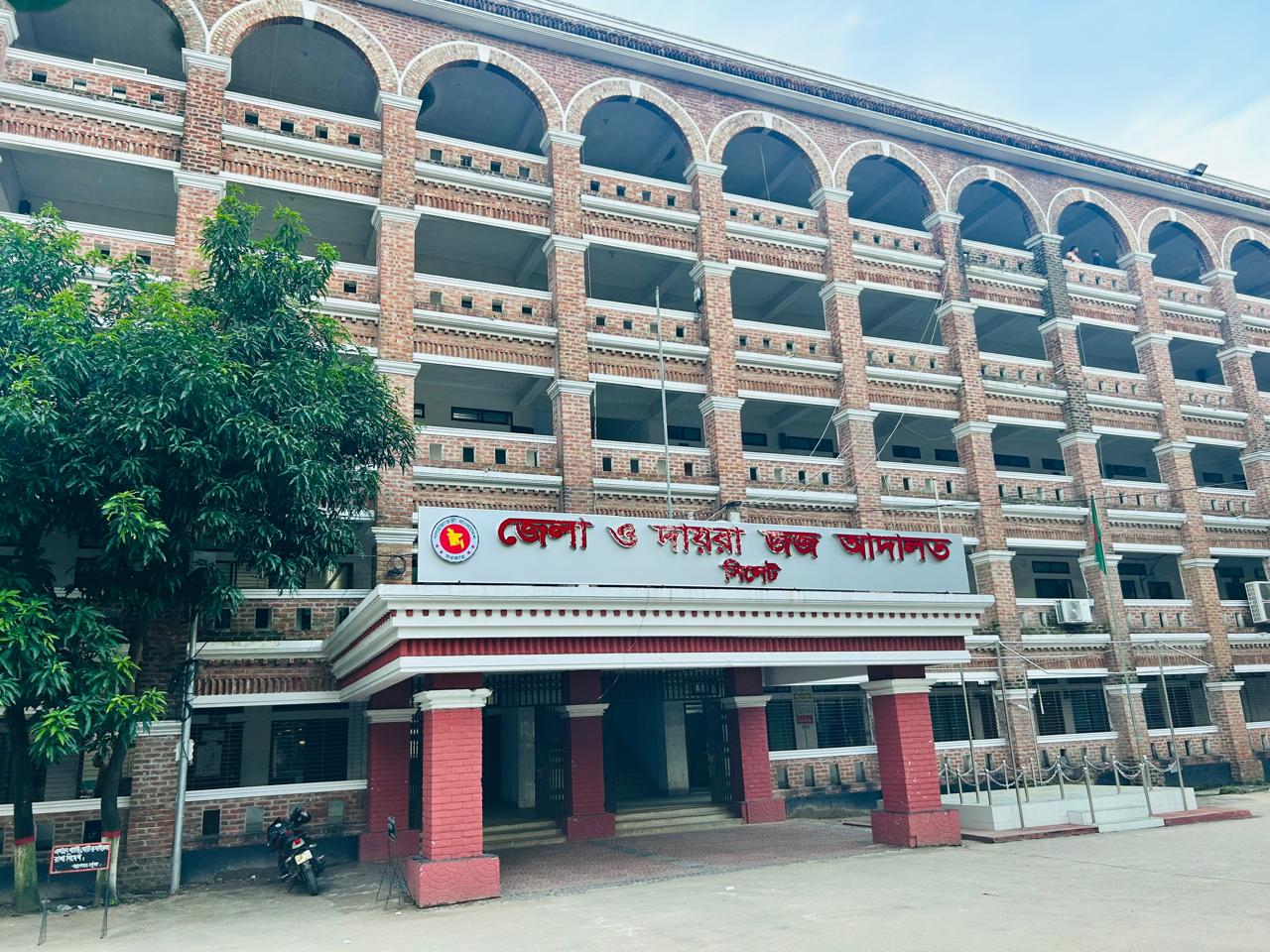
সিলেট জেলা ও দায়রা জজ আদালতের আঙিনায় দাঁড়ালে এই দৃশ্যের বাস্তব রূপ অহরহ চোখে পড়ে। সকাল হতেই দূর-দূরান্তের গ্রাম থেকে আসা শত শত বিচারপ্রার্থী মানুষের আনাগোনা শুরু হয়। কারও মুখে উৎকণ্ঠা, কারও চোখে-মুখে ক্লান্তি, আবার কারও হৃদয়ে বুকচাপা আশা আজ হয়তো বিজ্ঞ আদালত তাঁর হৃত অধিকার ফিরিয়ে দেবেন।
আইন বিভাগের শিক্ষার্থী হিসেবে ক্লাসরুমে আমরা অপরাধ শাস্ত্র (Criminology) ও দেওয়ানি-ফৌজদারি আইনের সূক্ষ্ম তত্ত্ব পড়ি। কিন্তু কোর্টরুমে এসে যখন দেখি এই সাধারণ মানুষগুলো বহু পথ পেরিয়ে বিচারকের এজলাসের দিকে অপলক দৃষ্টিতে তাকিয়ে আছে, তখন বুঝতে পারি আইন শুধু বইয়ের কালো অক্ষরের কিছু ধারা-উপধারা নয়; আইন হলো সাধারণ মানুষের সেই শেষ ভরসা, যা সমাজকে বিশৃঙ্খলা ও 'জোর যার মুলুক তার' নীতি থেকে রক্ষা করে।
ন্যায়বিচারের এই দীর্ঘ যাত্রায় শত সীমাবদ্ধতা থাকতে পারে, কিন্তু সাধারণ মানুষের সেই বিশ্বাসটুকু টিকিয়ে রাখা এবং সত্যের পক্ষে দাঁড়ানোটাই আমাদের মূল ব্রত হওয়া উচিত।
একদিন আমিও সেই কালো গাউন জড়িয়ে বিজ্ঞ আদালতে দাঁড়িয়ে এমন বহু বিচারপ্রার্থী মানুষের ভরসার প্রতীক হবো, ইন শা আল্লাহ।
সূত্র
১. সিলেট জেলা ও দায়রা জজ আদালত, সিলেট (আমার The Diary of Court-এর আদালতপাড়া)
২. বিজ্ঞ আইনজীবী Adv Anichul Haque স্যারের সাথে কোনো এক মামলার প্রসঙ্গে "তোমার সাথে কোর্টে দেখা হবে?" এই কথাটা উঠেছিলো, ব্যস সে বাক্যটাই আমার এই পর্বের অনুপ্রেরণা।
বিঃদ্রঃ Judiciary: Bangladesh ওয়েবসাইট থেকে ছবি সংগৃহীত।
লেখনীতে
মোঃ আরিফুল ইসলাম (মোহাম্মদ আরিফ) আইন পড়ুয়া, স্নাতক ৩৯তম ব্যাচ, আইন বিভাগ, সিলেট ইন্টারন্যাশনাল ইউনিভার্সিটি।
Read English translation
We have no shortage of complaints about our country's judiciary, lengthy proceedings, and the many difficulties surrounding the courts. Yet, despite all this criticism, ordinary people still trust the courts as their last refuge for justice.
Even today, when a dispute over land or a seemingly minor matter arises in a remote village in Bangladesh, one side may boldly tell the other, “I’ll see you in court!”
At first, the speaker might seem quarrelsome or eager to litigate. But consider it more deeply, from a positive perspective. Rather than taking the law into their own hands or attacking an opponent, they warn that they will seek the court's help. This is an expression of ordinary people's deep trust in the justice system. They believe that the power of justice is greater than their own physical strength.
Standing in the grounds of the District and Sessions Judge Court in Sylhet, I often see this trust take a tangible form. From early morning, hundreds of people seeking justice arrive from distant villages. Some look anxious, others exhausted, while some hold a quiet hope that today the court may restore the rights they have lost.
As law students, we study criminology and the intricate theories of civil and criminal law in the classroom. But when I see people who have travelled so far gazing intently towards the judge's courtroom, I understand that law is more than provisions printed in black ink. It is ordinary people's last source of reassurance, protecting society from disorder and the idea that might makes right.
This long journey towards justice may have many limitations. Still, preserving that public trust and standing for the truth should be our central commitment.
One day, I too hope to wear that black gown and stand before the court as a source of reassurance for many people seeking justice, In sha Allah.
Sources and inspiration
1. District and Sessions Judge Court, Sylhet—the court setting of my The Diary of Court series.
2. During a conversation about a case with advocate Adv Anichul Haque, the phrase “Will I see you in court?” came up. That sentence inspired this episode.
Image credit: collected from the Judiciary: Bangladesh website, as credited by the author.
Written by
Md Ariful Islam (Mohammad Arif) LL.B. student, 39th batch, Department of Law, Sylhet International University.