বাংলা মূল লেখা
আমি মোঃ আরিফুল ইসলাম, সিলেট ইন্টারন্যাশনাল ইউনিভার্সিটির আইন বিভাগের ৩৯তম ব্যাচের একজন আইন পড়ুয়া।
আমরা আইন শিক্ষার্থীরা বিশ্ববিদ্যালয় জীবনে নানা ধরণের আইনি তত্ত্ব ও ধারা-উপধারা পড়লেও, বাস্তবে সেগুলোর প্রয়োগ কীভাবে হয় কিংবা আমাদের আদালতপাড়ার ভেতরের চিত্র কেমন, তা নিয়ে প্রাথমিক অবস্থায় খুব একটা স্পষ্ট ধারণা থাকে না। থাকবেই বা কীভাবে? আমরা সারাক্ষণই তো টেক্সটবুক আর আইনের জটিল সব ধারার মারপ্যাঁচে নিজেদের বন্দি করে রাখি।
হ্যাঁ, স্নাতক শেষ করার পর নির্ধারিত সময়ে শিক্ষানবিশ হিসেবে বিজ্ঞ সিনিয়র আইনজীবীদের অধীনে কাজ শেখার সুযোগ হয়। তবে আমার কাছে মনে হয়, শুধু বিশ্ববিদ্যালয় জীবনে বইয়ের পাতা মুখস্থ করার মধ্যে সীমাবদ্ধ না থেকে, আদালতপাড়ার বাস্তব আবহ সম্পর্কে জ্ঞান রাখা প্রত্যেক আইন শিক্ষার্থীর জন্যই সমীচীন।
আমাদের সম্মানিত আইন শিক্ষক, বিজ্ঞ আইনজীবী ও বিচারকসহ শুভাকাঙ্ক্ষীরা প্রায়শই আইন শিক্ষার দিনগুলোতে আদালতপাড়ায় নিয়মিত বিচরণ করার পরামর্শ দেন। সেই তাগিদ থেকেই আমি চেষ্টা করি সপ্তাহে অন্তত ১-২ দিন কোর্টে যাওয়ার। কোনো আর্থিক উদ্দেশ্যে নয় কারণ আমি তো এখনও শিক্ষার্থী, তবে যে উদ্দেশ্যে যাই, তা যেকোনো আর্থিক লাভের চেয়েও অনেক বেশি মূল্যবান।
বইয়ের পাতায় যেসব কঠিন ধারা পড়তে পড়তে মেজাজ খিটখিটে হয়ে যায়, কোর্টরুমে ঠিক সেসব ধারার জীবন্ত ও বাস্তব প্রয়োগ দেখার পর তা মস্তিষ্কে খুব সহজেই গেঁথে যায়। তখন আর মুখস্থ করতে হয় না, আইনি জটিলতাগুলো পানির মতো পরিষ্কার হয়ে ওঠে।
আদালতপাড়া ও এক স্বপ্নের গল্প;
সপ্তম শ্রেণীতে পড়ার সময় থেকেই ওই কালো গাউনের প্রতি এক অদ্ভুত প্রেম জন্মেছিল। ব্যস, তখন থেকেই মনে মনে স্বপ্ন লালন করতাম একদিন আইনজীবী হবো, ইন শা আল্লাহ। সেই স্বপ্নকে বুকে নিয়েই আজ আইন বিভাগের শেষ বর্ষে দাঁড়িয়ে।
মাঝেমধ্যে যখন পড়ালেখার চাপে মন ক্লান্ত হয়ে পড়ে কিংবা হতাশায় অনীহা চলে আসে, তখন আমি নিয়ম করে একদিন আদালত পাড়ায় যাই। কত মানুষের ছুটাছুটি, কত মানুষের আকুতি! কত শত স্বপ্নের শুরু আর জীবনের গল্পের শেষ ইতি ঘটে এই আদালতপাড়ায়!
প্রথম বর্ষে পড়ার সময় শংকরের লেখা 'কত অজানারে' বইটি পড়েছিলাম। বইটির মূল প্রেক্ষাপট কলকাতা হাইকোর্টের শেষ ইংরেজ ব্যারিস্টারকে ঘিরে হলেও, সেখানে ফুটে উঠেছিল আদালতপাড়ার শত শত সুখ-দুঃখের বিচিত্র সব অভিজ্ঞতা। আমার কাছে মনে হয়, 'কত অজানারে' বইটির বাস্তব রূপই হলো আমাদের এই আদালতপাড়া। এখানে এলে বইয়ের সেই রূপ আর বাস্তবতা একেবারে চোখের সামনে ভেসে ওঠে। আর ঠিক তখনই আমার ভেতরের সব ক্লান্তি দূর হয়ে যায়; মনে জোর ফিরে পাই, আমাকে আরও অনেক পড়তে হবে, একজন যোগ্য ও ভালো আইনজীবী হতেই হবে।
আমি হয়তো পেশাদার কোনো লেখক নই, তাই আমার ভাবনাগুলো হয়তো কিছুটা এলোমেলো। তবুও মনে হলো, নিজের আইনি শেখার যাত্রা আর আদালতপাড়ার টুকরো গল্পগুলো শব্দে বন্দি করে রাখি। সেই উপলব্ধি থেকেই "The Diary of Court" সিরিজের এই ভূমিকা।
সূত্রঃ
১. কত অজানারে - মনি শংকর (কলকাতা হাইকোর্টের শেষ ইংরেজ ব্যারিস্টার কে ঘিরে মনি শংকরের আদালত পাড়ার স্মৃতি )
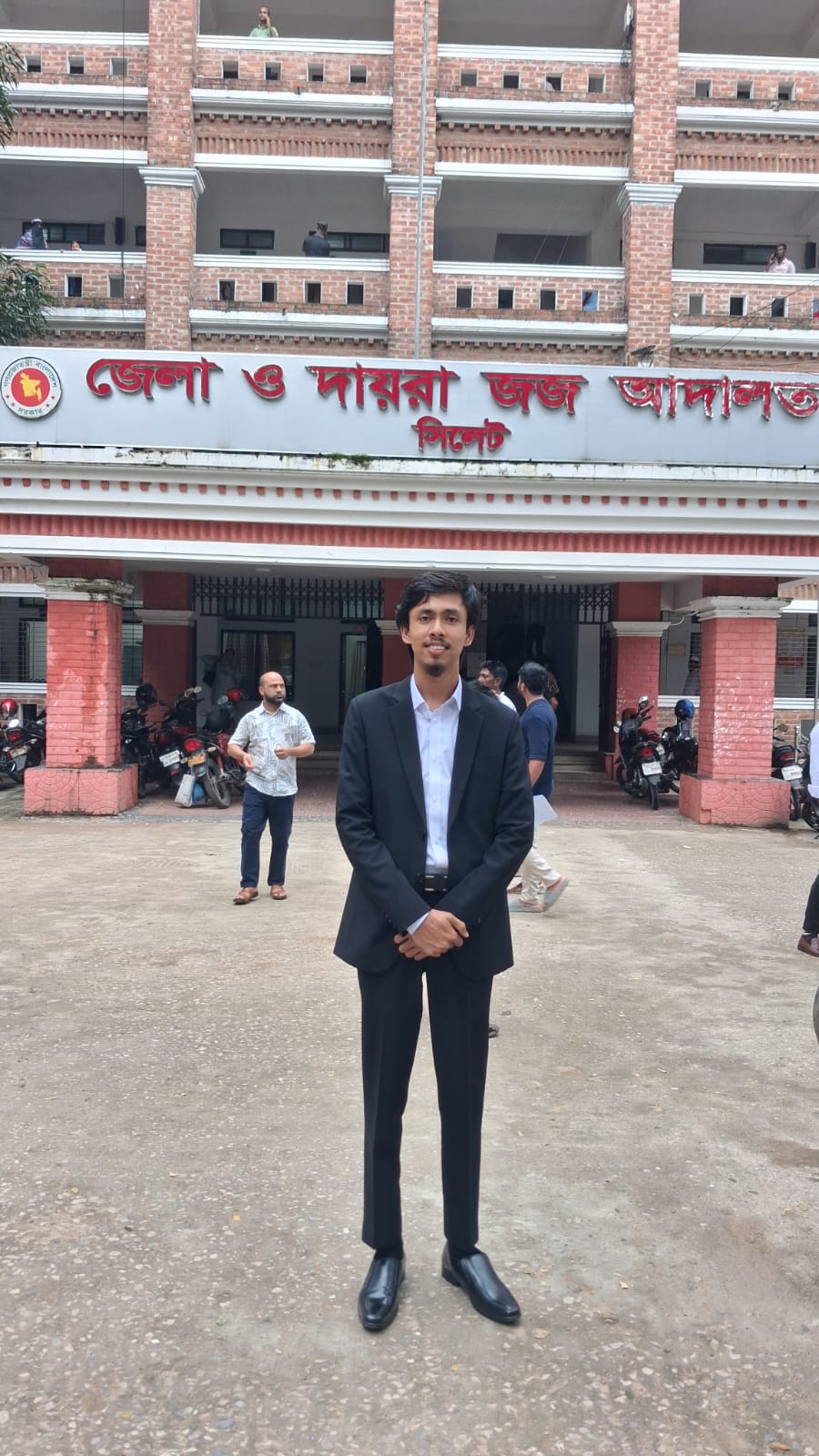
২. জেলা ও দায়রা জজ আদালত, সিলেট (আমার The Diary Of Court এর আদালত পাড়া)
Read English translation
I am Md Ariful Islam, a law student from the 39th batch of the Department of Law at Sylhet International University.
As law students, we study many legal theories, sections and subsections at university. Yet, at first, we often have little clear understanding of how they are applied in practice or what life around the courts looks like. How could we? We spend so much of our time confined to textbooks and the intricacies of legal provisions.
Yes, after graduation, there is an opportunity at the appropriate stage to learn through an apprenticeship under experienced senior lawyers. But I believe every law student should understand the real atmosphere of the courts rather than limiting university life to memorising pages of books.
Our respected law teachers, experienced lawyers, judges and well-wishers often advise us to visit the courts regularly during our legal studies. Encouraged by that advice, I try to go to court at least once or twice a week. I do not go for financial reasons—I am still a student. The purpose that takes me there, however, is worth far more than any financial gain.
The difficult provisions that leave me frustrated while reading become much easier to remember when I see them applied in a courtroom. I no longer need to rely on memorisation; the legal complexities begin to feel clear.
The courts and the story of a dream
Ever since I was in Class Seven, I have felt a particular affection for that black gown. From then on, I quietly nurtured the dream of becoming a lawyer one day, In Sha Allah. Carrying that dream with me, I now stand in the final year of my law degree.
Sometimes, when the pressure of studying leaves me tired or discouragement drains my motivation, I make a point of spending a day around the courts. So many people rushing about, so many appeals for help! So many dreams begin here, and so many chapters of people's lives reach their end.
In my first year, I read Shankar's Kato Ajanare. Although the book centres on the last English barrister of the Calcutta High Court, it brings to life a multitude of experiences of joy and sorrow around the courts. To me, our own court precinct feels like a living version of Kato Ajanare. When I visit, the world of the book and the reality before me come together. My tiredness fades, and I find renewed resolve: I must study much more and become a capable, good lawyer.
I may not be a professional writer, and my thoughts may be a little scattered. Still, I wanted to put my journey of learning law and these small stories from the courts into words. That feeling is the starting point for this introduction to The Diary of Court.
Sources and inspiration
1. Kato Ajanare — Mani Shankar: his memories of the court precinct surrounding the last English barrister of the Calcutta High Court.
2. District and Sessions Judge Court, Sylhet—the court precinct of my The Diary of Court.